
Credit cards after multiple rejections are usually available through secured FD-backed cards, entry-level bank cards, or low-limit starter cards designed for applicants with weak or rebuilding credit profiles.
Rahul applied for his fourth credit card in 8 months. HDFC rejected. ICICI rejected. Axis rejected.
Reason was always the same: “Not eligible based on internal credit assessment.”
He had a salary of Rs. 48,000 and a credit score of 618, but his applications were repeatedly rejected across banks.
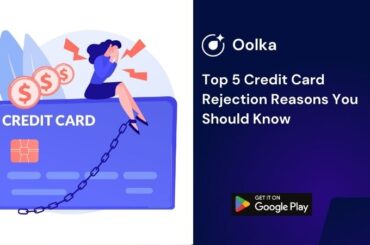
This is common in India. Multiple credit card rejections usually happen due to a low credit score, high utilisation, or repeated enquiries in a short time. Even small factors can block approvals from banks like SBI Card, HDFC Bank, ICICI Bank, and Axis Bank.
A 600–650 score is usually considered weak, while 700+ improves approval chances significantly. However, even applicants below 600 can still get secured cards with fixed deposits.
What Are Credit Cards for Low Credit Score and Why Do Banks Reject Applications?
Credit cards for low credit scores refer to secured or basic credit cards issued to users with weak repayment history, limited credit exposure, or multiple past rejections. These cards are designed to reduce bank risk by linking credit limits to deposits or lower exposure thresholds.
Most rejections occur when:
- Credit score is below 650 in reports from bureaus like Equifax and Experian.in.
- High outstanding loan burden exists
- Multiple recent credit enquiries are visible
- Delayed EMI payments appear in report
Credit score factors:
- Payment history: 35%
- Credit utilisation: 30%
- Credit age: 15%
- Credit mix: 10%
- Enquiries: 10%
Typical score bands:
| Credit Score Range | Approval Chances | Card Type |
| 300–549 | Very low | FD-backed secured cards only |
| 550–649 | Low | Secured + select entry-level cards |
| 650–749 | Moderate | Entry + mid-tier unsecured cards |
| 750+ | High | Premium unsecured credit cards |
Banks prefer applicants with stable repayment behaviour over time. This is why applicants seeking credit cards for low credit score often face repeated rejections.
What Should You Do After Multiple Credit Card Rejections?
Credit card rejection recovery is the process of identifying the factors causing repeated declines, correcting them, and reapplying only after the profile shows improvement. Applying again without addressing the underlying issues often results in additional enquiries and further rejections.
If you have already been rejected multiple times, follow this sequence:
Step 1: Stop Submitting New Applications
Every credit card application creates a hard enquiry. Multiple enquiries within a short period can make lenders view the profile as higher risk.
Step 2: Review Your Credit Report
Check for:
- Low credit score
- High credit utilisation
- Delayed EMI or credit card payments
- Multiple recent enquiries
- Incorrect account information
Step 3: Resolve Report-Level Issues
If outdated enquiries, incorrect loan statuses, or other reporting errors appear, get them corrected before applying again. These issues can affect approval decisions even when repayment behaviour has improved. Applicants with limited credit history should learn more about getting a credit card without a credit score before submitting another application.
Step 4: Improve Credit Behaviour
Focus on:
- Keeping utilisation below 30%
- Paying all dues on time
- Avoiding unnecessary loan or card applications
- Maintaining existing accounts in good standing
Step 5: Reapply After 3–6 Months
Most lenders prefer to see a period of stable repayment behaviour before reassessing applications. If the score remains low, FD-backed secured cards may be a practical starting point while rebuilding approval eligibility. Many borrowers start with secured credit cards because they are generally easier to obtain and can help build repayment history before applying for unsecured cards later.
Applicants often see better results after following this sequence rather than submitting repeated applications across multiple banks.
Can You Get a Credit Card With 600 or 700 Credit Score?
A 600 credit score is considered weak and may limit options to secured or low-limit cards. A 700 credit score is considered acceptable for most entry-level and mid-range credit cards.
At 600 score:
- Approval usually limited to FD-backed cards
- High rejection rate for premium cards
At 700 score:
- Entry-level unsecured cards become accessible
- Higher approval chances with SBI, Axis, ICICI
At 750+ score:
- Premium credit cards become accessible
- Higher credit limits and rewards offered
Banks evaluate not just score but also:
- Income stability
- Existing loan EMIs
- Credit utilisation ratio
- Recent enquiry behaviour
Oolka flags rejection-triggering entries in your credit report and files correction requests with lenders before following up to ensure information is updated to improve approval readiness before your next application.
Also Read: What is a Credit Mix and How Can it Affect Credit Scores?
What Are the Best Credit Cards for Poor Credit Profiles in India?
Best credit cards for poor credit profiles are usually secured cards linked to fixed deposits or low-risk starter cards offered by mainstream banks. A low credit score credit card helps users restart credit usage safely after rejections.
Common features:
- FD-backed limit (typically ₹10,000–₹1,00,000)
- Easy approval process
- Basic cashback or reward structure
- Lower risk for banks
Popular choices as of 2026 include:
- SBI Card Unnati (FD-backed variant)
- ICICI Coral Credit Card against FD
- RBL Bank FD-backed cards
A strong repayment cycle of 6–12 months can later qualify users for unsecured upgrades.
How to Improve Approval Chances After Multiple Rejections?
Approval chances improve when repayment behaviour stabilises, and credit utilisation is controlled. Banks reassess applicants after 3–6 months of consistent financial discipline.
Key improvement steps:
- Reduce credit utilisation below 30%
- Avoid multiple credit card applications within short periods
- Pay EMIs and credit dues on time
- Maintain older accounts instead of closing them
Following some basic tips to improve credit score can help a lot.
A strong credit profile usually takes 2–3 years of consistent repayment behaviour to fully stabilise.
Real Story: Multiple Rejections Before First Credit Card Approval
Mohit, 32, from Pune, applied for three credit cards within 6 months and got rejected each time.
Profile:
- Credit score: 612
- Two active personal loans
- High credit enquiry count
- No credit card history
Outcome: All applications rejected by HDFC, ICICI, and Axis Bank.
What happened next:
- Oolka initiated dispute requests for outdated enquiry records in the credit report impacting approval decisions
- It drafted correction emails to lenders highlighting repayment stability on active loans
- It submitted structured requests focusing on stabilised EMI behaviour
- It followed through with lender responses until updated assessment reflected in the report
After 4 months:
- Mohit secured an FD-backed credit card
- Began rebuilding repayment history
- Improved approval readiness for unsecured cards later
Do Banks Offer Credit Cards Without Credit Score?
Yes, but only in limited cases through secured FD-backed credit cards or co-branded starter products. These do not rely heavily on credit history.
However, most unsecured credit cards still require:
- Minimum credit score
- Stable income proof
- Clean repayment record
This is why applicants seeking a credit card without credit score usually end up starting with secured cards.
Credit card rejections often happen due to hidden report-level issues like outdated enquiries, incorrect loan statuses, or unresolved repayment entries.
Oolka takes action by filing dispute requests, drafting lender objection emails for correction, and follows through with resolution until the updated credit report reflects the accurate information.
Always check credit score by PAN card to get clarity before reapplying for credit cards with banks like SBI, ICICI, HDFC, or Axis.
The Bottom Line: Best Credit Cards After Rejections
Credit cards after multiple rejections are still accessible, but the type of card depends heavily on the credit score range and repayment history.
Applicants with lower scores usually start with FD-backed secured cards and gradually move toward unsecured credit cards after 6–12 months of consistent repayment behaviour.
Check your credit score by PAN card before applying, and focus on structured repayment habits. This improves approval chances more than repeated applications.
Also Read: What is Written-Off or Settled Status in Credit Report and How to Fix It
FAQs
1. Can I apply for a credit card again after being denied?
Yes, you can reapply after a rejection. It is usually better to wait 3–6 months and improve your credit behaviour before applying again, as repeated applications can further lower approval chances.
2. Which credit card is easiest to get approved in India?
FD-backed secured credit cards are the easiest to get approved since they are linked to a fixed deposit and reduce lender risk.
3. Can I get a credit card with a low credit score?
Yes, but mostly through secured or basic entry-level cards. Unsecured premium cards usually require a higher score.
4. Which banks offer credit cards for low credit scores in India?
Banks like SBI Card, ICICI Bank, Axis Bank, Kotak Mahindra Bank, and RBL Bank offer secured or low-limit credit cards for such profiles.
5. Are FD-backed credit cards easier to get approved?
Yes, because the fixed deposit acts as security, making approval easier even with a low credit score.
6. How can I improve my chances of credit card approval?
Pay EMIs on time, reduce credit usage, avoid multiple applications, and maintain stable income records.
7. Why do banks reject credit card applications?
Common reasons include low credit score, high debt, multiple enquiries, or irregular repayment history.