
Your CIBIL score is one of the most important things that banks and other financial institutions look at when they decide whether or not to provide you with a credit card in India. Lenders can tell how risky you are by looking at your three-digit score, which reveals how you have managed credit in the past and how you have paid it back. But what if you’re “new to credit,” which means you’ve never borrowed money or used a credit card before? You won’t have a score from CIBIL. The good news is that beginners can still get a credit card. Let’s find out how.
What Is a CIBIL Score and Why It Matters for Credit Cards
CIBIL scores, which are credit ratings that range from 300 to 900, are tracked by the Credit Information Bureau (India) Limited. It acts as a trust score for people who issue credit cards. If your score is 750 or higher, you’re more likely to get authorised because you’re more likely to pay on time. The score not only tells you if you can acquire a credit card, but also what kind of card you can get.
It matters because:
- Banks employ risk assessment to figure out how likely it is that someone will pay back a loan.
- Higher scores usually mean higher credit limits and more benefits.
- If you have strong credit, you might be able to receive lower interest rates on accounts that keep going up.
Can You Get a Credit Card Without a CIBIL Score in India?
Yes, you can. A lot of banks provide secured credit cards that are backed by a fixed deposit, so you don’t need a CIBIL score to get one. Some companies give entry-level cards to paid workers with steady pay cheques, even if they don’t have a credit history.
Some frequent choices are:
- Secured credit cards are linked to a fixed deposit, and the credit limit is a percentage of the deposit.
- Add-on credit cards are linked to the account of the main cardholder.
- Cards that are already approved for current customers: Banks give these out based on how much money is in a savings or salary account.
These choices let people who are borrowing for the first time build their credit score while still getting the benefits of a credit card.
Types of Credit Cards Available Without a CIBIL Score
Secured Credit Cards against Fixed Deposits
These are the most popular options for people who don’t have a credit history. When you open a fixed deposit (FD) with a bank, the bank issues you a credit card with a limit of 75% to 90% of the FD value. The FD works as collateral, so banks don’t have to worry about losing money. This suggests that approval is almost a sure thing. They are a terrific way to quickly raise your credit score without spending any of your own money.
Prepaid Cards or Virtual Credit Cards
Prepaid and virtual cards work like debit cards, but you can use them to buy stuff just like a credit card. You put money in ahead of time and only spend that much. They don’t usually help you build a CIBIL score, but they are a fantastic method to learn how to use credit responsibly without going into debt.
Add-On Credit Cards (Supplementary Cards)
If a family member has a primary credit card, you can get an extra card linked to it. You have the same rights and conveniences as the primary cardholder, but they are the ones who have to pay back the money. You don’t need your own credit score to make this option. It can also help you learn how to spend money sensibly before you get your own card.
Fintech Companies’ Credit Cards
Many FinTech platforms engage with banks or non-bank financial companies (NBFCs) to give credit cards to those who don’t have a CIBIL score. These cards normally let you operate them using an app, are accepted quickly, and offer significant rewards. Initially, the limits may not be too high, but if you utilise them wisely, you can receive upgrades and raise your credit score.
Eligibility Criteria for Getting a Credit Card without a CIBIL Score
Income and Employment Proof
Even if you don’t have a credit history, banks and FinTech lenders still want to know that you can pay back what you borrow. They could ask for salary slips, tax returns (ITRs), or proof of company income. If you have steady work for at least six months to twelve months, your chances are definitely higher.
Bank Relationship (Existing Customers)
It’s a good thing if you already have a savings account, a fixed deposit, or a loan with the bank that gave you the card. People who already have a good relationship with a bank are more likely to get a credit card from that bank, even without a CIBIL score, because they can see how you spend money and how you handle your finances.
Minimum Fixed Deposit Requirement (for Secured Cards)
Most banks seek a fixed deposit of between ₹10,000 and ₹25,000 for secured credit cards. The credit limit is normally between 75% and 90% of the value of the FD. More money in your FD could mean higher limits and better card choices.
Age and Residence Proof
Most banks will only provide credit cards to Indian citizens who are at least 18 years old (21 in some cases). To meet residency requirements, applicants must produce valid KYC documents, such as Aadhaar, PAN, and proof of address.
Advantages and Disadvantages of Credit Cards without a CIBIL Score
Benefits of Easy Access
- One of the best things about credit cards that don’t check your CIBIL score is that they are easy to get. They let those who are new to credit, such as students, fresh grads, or people who are starting their first job, in. These people might not be able to acquire loans from normal banks.
- Banks and FinTech companies that offer secured credit cards don’t always have to undertake thorough background checks. Instead, they look at simple things that prove you are qualified, such as having a bank account or a fixed deposit.
- You can also use these cards to start a new credit history from scratch. Customers can easily acquire a solid credit history if they use the card responsibly. This entails making payments on schedule and keeping the balance low.
- In some cases, it may be easier and faster to get accepted because there is less paperwork, and you may apply online. Using a card like this a lot can help you receive loans in the future and credit cards with higher limits and more bonuses.
Limitations and Lower Credit Limits
- People who want to borrow money should realise that these cards are easy to get but come with some rules. The biggest difficulty is that credit limits are often too low. For instance, secured cards normally only let you borrow a certain amount of the deposit, while prepaid or FinTech-issued cards may limit how much you can spend each month. When you want to buy something huge, this makes it tougher to be flexible.
- Also, if you’ve never paid off your debts, the interest rates on these cards may be higher than those on conventional cards, which means it costs more to keep a balance. Incentive and reward schemes might not be as appealing either. Users can only get basic cash back, not the greater benefits for travel, lifestyle, or eating.
- You also have a time when you trust the service. Banks and FinTech companies usually wait a few months to see how you pay back your loans before they consider giving you more credit or better unsecured cards.
- Lastly, if you spend too much or don’t pay on time, your credit score could go down immediately, which could make it harder to receive better financial products in the future.
Steps to Apply for a Credit Card without a CIBIL Score
Choose the Right Type of Credit Card
- Decide if you need a secured card, a prepaid or virtual card, or an add-on card based on how you spend and what you want to do.
- The greatest strategy to raise your credit score is to get a secured credit card against a fixed deposit.
- Look into items like yearly fees, credit limit policies, and reward programs before you make a pick.
Prepare the necessary documents
- A passport, PAN card, or Aadhaar card are all examples of proof of identity.
- A utility bill, a rental agreement, or a voter ID can all be used to prove where you live.
- You can show proof of income with pay stubs, bank statements, or an ITR (for specific types of cards).
- FD information—only if you want a secured card.
Apply online or at a branch
- You can apply online by filling out the form on the issuer’s website or app, attaching scanned documents, and scheduling a time for verification.
- In person: Go to the bank branch, give them your papers, and fill out the application.
Finish setting up KYC and FD if you need to.
- You need to open a fixed deposit with the bank to receive a secured card. This usually costs at least ₹10,000.
- You have to perform a comprehensive KYC check in person or by video before you may use the card.
- Once your card is approved, it will be sent out. It normally takes 7 to 10 business days to get there.
How to Build Your CIBIL Score Using a Credit Card
Pay Your Bills on Time
Pay off all of your debt or at least the minimal amount owing, before the due date. Credit bureaus will find out if you miss a payment or pay it late. This could drop your score by a lot. Set up automatic payments or reminders so you never miss a payment.
Keep Your Credit Use Low
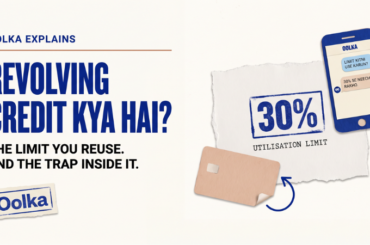
You shouldn’t use more than 30% of your whole credit limit. Using credit too much can hurt your score. When you can, ask for a higher limit so you can use more of your credit without paying more.
Keep a Long Credit History
Make little purchases and pay off your old credit cards to keep them active. A longer, good credit history shows lenders that you are responsible and consistent with your credit. Don’t close previous accounts unless you have to.
Check Your Credit Report Often
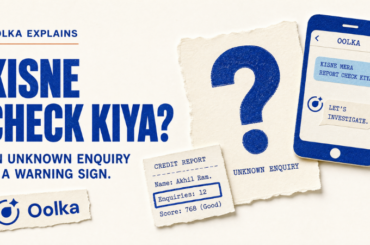
At least once a year, look at your CIBIL report to see how your score is doing. Find and question any mistakes, including wrong loan accounts or records of missed payments. You may solve problems before they make it impossible for you to get a loan by keeping an eye on them.
FAQs on Getting Credit Cards without a CIBIL Score
Without a credit history, can an individual get a credit card?
Yes, you can. Many banks, NBFCs, and FinTech companies issue credit cards to individuals who have never had one before. Secured credit cards, which are backed by an FD, prepaid cards, and add-on cards, are the most common types of credit cards.
Is it a smart idea to start with a secured credit card?
Yes, for sure. One of the safest and easiest ways to start building your credit score is to get a secured credit card. They work like ordinary credit cards, but it’s easier to get one because they are backed by a fixed deposit.
How much FD is needed for a secured credit card?
Most of the time, banks require a minimum of ₹10,000 to ₹25,000 for a fixed deposit. The card limit is usually between 70% and 90% of the FD value.
Will using these cards help me build a CIBIL score?
Credit bureaus such as CIBIL keep a check on and often obtain reports on how often and on time you pay your bills with these cards. And thus, over time, this helps you create a strong credit history and build your credit score.
Are FinTech credit cards safe to use?
Yes, but only if you use RBI-licensed services and follow basic safety rules like turning on transaction notifications, using secure networks, and not giving out your card information.