
A low credit score is one of the most common reasons a loan application gets rejected, but rejection does not mean you cannot get approved in the future.
Kapil, 34, from Jaipur, applied for a Rs. 4 lakh personal loan. Salary: Rs. 58,000 per month. No active defaults. Still, the application was declined.
Reason: Credit score below the lender’s requirement.
After reviewing his report, he found multiple old overdue entries and high credit card utilisation. The loan was not rejected because of income. It was rejected because the lender considered the credit profile high risk.
This situation is common across banks like HDFC Bank, ICICI Bank, Axis Bank, SBI, and NBFCs such as Bajaj Finserv and Tata Capital.
If your loan application is rejected due to a low credit score, the next step is to understand why the score is low and what can be corrected before applying again.
Why Are Loans Rejected Due to Low Credit Scores?
Loans are rejected due to low credit scores because lenders view borrowers with lower scores as having a higher risk of delayed payments or default. A low score often signals past credit management issues that may affect future repayment capacity.
Typical approval benchmarks:
- Credit cards: 650+
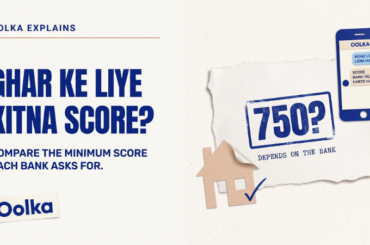
- Personal loans: 700+
- Home loans: 750+
There is no universal minimum credit score for loan approval because every lender follows its own underwriting policy. However, most personal loan approvals become significantly easier above the 700 mark.
Credit bureaus typically consider:
- Payment history: 35%
- Credit utilisation: 30%
- Credit history length: 15%
- Credit mix: 10%
- Credit enquiries: 10%
Even a good income may not offset a weak credit profile if repayment history contains negative entries.
What Are The Most Common Reasons For Loan Rejection?
A rejected loan application is not always caused by the score alone. Multiple risk factors can contribute to lender decisions.
Common personal loan rejection reasons include:
- Low credit score
- Recent missed EMIs
- High credit card utilisation
- Multiple loan enquiries in a short period
- Existing debt obligations
- Incorrect information in the credit report
- Insufficient income relative to EMI burden
Many borrowers focus only on the score while ignoring the report itself.
For example, a borrower with a score of 720 may still face loan rejection due to high utilisation above 80% or excessive unsecured debt.
Similarly, someone with a score below 650 may receive approval if income, repayment behaviour, and debt levels satisfy lender requirements.
This is why reviewing the complete credit report becomes important before applying again.
Credit Score And Loan Approval Expectations:
| Score Range | Risk Level | Personal Loan Outlook |
| 300–549 | High Risk | Rejection likely |
| 550–649 | Subprime | Limited approvals |
| 650–749 | Moderate Risk | Conditional approval possible |
| 750+ | Strong Profile | Higher approval probability |
Also Read: How to Get an Urgent Personal Loan as a Credit Defaulter: Tips and Options Available
What Should You Do Immediately After A Loan Rejection?
The first step after a personal loan rejection is to obtain and review the credit report, rather than immediately applying elsewhere.
Start by checking:
- Overdue accounts
- DPD (Days Past Due) entries
- Settlement remarks
- Written-off accounts
- Incorrect loan information
- High utilisation levels
Applying repeatedly after rejection can worsen the situation because additional enquiries may reduce approval chances further.
Many borrowers make the mistake of submitting applications to multiple banks within a few weeks.
Instead:
- Review the report
- Identify negative entries
- Correct report inaccuracies
- Reduce outstanding balances
- Wait for updates where necessary
This is generally a more effective approach than repeated applications.
You can review your report through your credit bureau’s official website or Experian India.
Why Can Credit Report Errors Lead To Rejection?
A credit report error is incorrect information reported by a lender or reflected by a credit bureau. Even a single inaccurate entry can affect lending decisions.
Common issues include:
- Closed loans showing active
- Incorrect overdue amounts
- Duplicate accounts
- Wrong DPD reporting
- Incorrect settlement status
These errors sometimes appear during lender underwriting and influence risk calculations.
Oolka reviews credit reports, files disputes for incorrect entries, drafts lender objection emails where required, and follows through on correction requests until the issue reaches resolution.
Because underwriting systems often rely on bureau data, correcting inaccurate information can improve future approval chances when the error is the primary cause of rejection.
Real Story: Loan Rejected Despite Stable Income
Ambrish, 29, from Indore, applied for a ₹5 lakh personal loan.
Profile:
- Monthly salary: ₹72,000
- No active loan defaults
- Existing credit card with regular payments
Result:
- Personal loan rejected
Reason:
- Incorrect overdue account still appearing in the credit report.
What happened next:
- Oolka reviewed the report and identified the disputed account
- It prepared the dispute documentation required for correction
- It drafted lender objection communication supporting the correction request
- It followed through on the dispute process until the account status was updated
Once the inaccurate entry was addressed, the profile reflected the actual repayment history more accurately.
The issue was not income. It was incorrect credit reporting.
How Can You Improve Credit Score After Rejection?
The fastest way to improve credit score is to address the factors directly affecting score calculation.
Focus on:
- Clearing overdue balances
- Paying EMIs on time
- Reducing utilisation below 30%
- Avoiding unnecessary loan enquiries
- Keeping older accounts active where appropriate
For many borrowers, repayment history creates the biggest impact because it contributes approximately 35% of the score.
High utilisation is another major factor.
For example:
- Rs. 90,000 used on a Rs. 1 lakh credit limit = high utilisation
- Rs. 25,000 used on a Rs. 1 lakh credit limit = healthier utilisation
Score improvement is usually gradual.
A strong credit profile typically takes 2–3 years of consistent repayment behaviour to build, although smaller improvements may appear within a few reporting cycles.
Also Read: 5 Tips for Improving Your Credit Score Quickly and Effectively
Can You Still Get Approved With A Low Credit Score?
Yes, although options may become more limited.
Some lenders evaluate additional factors such as:
- Income stability
- Employment profile
- Existing relationship with the lender
- Secured collateral availability
This is where discussions on loan approval for low credit scores become relevant.
For example:
- Gold loans
- Loan against fixed deposits
- Certain secured lending products
may have different approval criteria compared to unsecured personal loans.
However, borrowing without addressing the underlying credit issues often creates long-term challenges.
Improving the profile before reapplying is usually more effective than repeatedly seeking exceptions from lenders.
Oolka files disputes for incorrect credit report entries, drafts lender clarification emails, and follows up on correction requests to help resolve issues affecting loan approvals.
The Bottom Line: Loan Rejected Due To Low Credit Score
A loan rejection does not automatically mean future applications will fail. It usually means the lender identified risk factors within the credit profile that require attention before approval becomes more likely.
The most effective next steps are reviewing the credit report, correcting inaccurate entries, reducing utilisation, clearing overdue balances, and maintaining on-time payments. These actions address the underlying issues that influence lender decisions.
FAQs
1. What are the common reasons for personal loan rejection in India?
Common reasons include low credit score, missed payments, high utilisation, multiple enquiries, and incorrect report information. Lenders may also reject applications due to high existing debt obligations.
2. How fast can my credit score improve after paying off overdues?
Small improvements may appear within one or two reporting cycles after updates are reflected by the bureau. Significant improvement usually requires several months of consistent repayment behaviour.
3. Can a gold loan help in improving my credit score?
A gold loan can contribute positively if repayments are reported correctly and made on time. However, repayment behaviour matters more than the type of loan.
4. What is the ideal credit utilisation ratio to increase loan approval chances?
Most lenders prefer utilisation below 30% of the available credit limit. Lower utilisation generally indicates better credit management.
5. How often can I check my credit score without impacting it?
Checking your own credit score is considered a soft enquiry and does not affect the score. Reviewing it every few months is generally a good practice.