
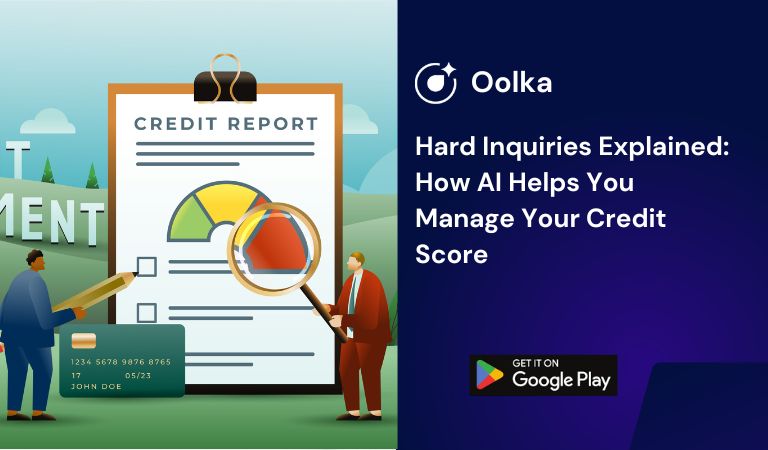
Every time you apply for a loan or a new credit card, your lender looks at your credit report to see if you are a good credit risk. This is known as a credit inquiry. It may seem harmless, but not all inquiries are the same. Some inquiries are “soft,” which means they don’t hurt your credit score. Others, called “hard” inquiries, can hurt it for a short period.
If you apply for a lot of loans or credit cards in a short amount of time, these hard queries can add up, making it much harder to receive credit in the future. Artificial Intelligence (AI) is thankfully transforming how lenders and borrowers deal with this area of credit health. AI can help you make smarter credit decisions and keep your score from falling too much by looking at the credit application patterns of people and predicting how likely they are to be approved.
What Is a Hard Inquiry on Your Credit Report?
A hard inquiry, often called a hard pull, is when a lender formally looks at your credit report to see if they would approve your loan or credit card application. Credit agencies like CIBIL, Experian, Equifax, and CRIF High Mark keep track of this request.
When you do these things, you frequently get hard inquiries:
- Get a personal loan, a home loan, or a car loan
- Ask for a new credit card
- Request a higher credit limit
- Get permission for big loans, such as a student loan
Hard inquiries are linked to ongoing or current credit applications, which means you are looking for new debt. Lenders may see a lot of inquiries in a short amount of time as an indication of financial stress or dependence on credit. Your score can go down a little bit with each hard inquiry, usually by 5 to 10 points, and the inquiry stays on your report for up to two years.
It’s vital to remember that looking at your own score on credit monitoring applications isn’t a hard inquiry; it’s a soft inquiry that doesn’t have any effect.
How Hard Inquiries Affect Your Credit Score
Hard inquiries damage your credit score since they show how badly you want credit. When a lender gets a lot of requests in a short amount of time, it’s a sign of trouble. This is because they fear you might be having difficulties with money or are utilising too much credit.
Here’s how often hard inquiries can affect you:
- Each new inquiry can drop your credit score a small bit, although the effect is weaker over time.
- If lenders get too many questions in a short period of time, they may turn down your application
- One or two checks might not affect you too much, but applying to a lot of different lenders can make you look “credit-hungry.”
- Lenders will look at your profile differently in the future because inquiries linger on your report for about 24 months.
- A lower score caused by frequent inquiries can result in higher loan rates or smaller credit limits.
For example, if you apply for a number of credit cards to get the “best offer,” you might drop your score by a few points each time without trying to. Over time, these minor dips add up—especially if your score is already borderline.
The Difference between Hard and Soft Inquiries
Remember, not every check of your credit will lower your score. You, lenders, and employers will look at credit reports for different reasons. These checks are known as “hard” or “soft” inquiries. Knowing the difference between them will help you better manage your credit profile.
Hard Inquiries happen when you actively apply for credit—like a loan, credit card, or EMI facility. The lender checks your entire credit history to assess how successfully you’ve paid off debts in the past and how likely you are to default. These checks are linked to new credit requests, and hence they reduce your credit score slightly.
A “soft inquiry” is when someone looks at your credit report for reasons other than lending. For example:
- You check your own credit score using an app.
- A lender pre-approves you for an offer.
- An employer runs a background verification (with consent).
Only you can see soft inquiries, and they don’t hurt your credit score. So, it’s quite safe—and even a good idea—to check your score often using banks or apps you trust.
A quick comparative table can help you understand better:
| Hard Inquiry | Soft Inquiry |
|---|---|
| Happens when you apply for a loan, credit card, or credit limit increase | Happens when you or others check your credit for non-lending reasons |
| May slightly lower your score (5–10 points) | Has no effect on your credit score |
| Visible to all lenders reviewing your report | Visible only to you |
| Loan applications, new credit card requests, car or home loans | Checking your own score, pre-approved offers, and employer checks |
| Stays for up to 24 months | Not recorded as part of your credit report |
How Long Hard Inquiries Stay on Your Credit Report
A hard inquiry remains visible on your credit report for up to 2 years from the date it was made. However, its impact on your credit score fades within a few months if you maintain good repayment behaviour.
For example, a single loan or credit card application might cause a temporary dip of 5–10 points, but this drop is minor and short-lived. What really hurts is multiple applications in a short period—say, five loan or card requests within two weeks. Lenders interpret this as financial stress, which can pull down your score further.
The good news is that credit bureaus and AI-based monitoring systems let you see when inquiries were made and how they affect your score. If you look at this often, you may plan your next loan or credit card application carefully, waiting till older inquiries are less important.
Tips to Minimize the Impact of Hard Inquiries
Managing hard inquiries is all about being smart and strategic. To reduce their impact on your credit score, here are a few expert tips:
- Apply when you need to
At a given time, do not send in more than one loan or credit card application. Research your options carefully and apply only when you’re confident of approval.
- Use AI-powered tools
Many lenders now utilise AI to verify if you qualify without making a formal inquiry. These smart tools assess your financial situation and also help tell how likely you are to get approved, which helps you to apply wisely.
- Give your applications time
If you require more than one credit product, wait at least three to six months between applying for them. This gives your score time to settle down.
- Check your credit report often
A soft inquiry is when you check your credit report regularly. This helps you find new hard inquiries fast. You can file a dispute with the bureau if you see one that isn’t yours.
- Pay back loans on time
When your general credit health is good, the effects of inquiries wear off quickly. Paying your EMIs and credit card bills on schedule will help you avoid small score drops.
- Don’t raise your limits too often
Requesting multiple credit limit hikes often triggers hard pulls. Keep such requests limited and timed around when your score is already healthy.
How AI Helps You Manage Your Credit Score
More and more people are using AI to keep an eye on and enhance their credit health. People who borrow money don’t have to wait for credit bureaus to send them updates anymore. They may now use AI-driven programs that keep track of their credit scores, analyse them, and even predict what will happen to them in the future.
Predicts Loan Approval Chances
AI can look at how you spend your money and anticipate how likely it is that your next credit application will be approved. AI helps you apply strategically by evaluating your income patterns, spending habits, and repayment behaviours—only where your chances are strongest—so you avoid unnecessary hard inquiries.
Detect and Warn You about Score Changes
A lot of credit apps employ AI to keep an eye on your credit score all the time. You will get an instant alert if you get a new loan, miss a payment, or an unauthorised inquiry is made in your name. This gives you the chance to fix errors right away, before they make it harder for you to acquire a loan in the future.
Personalised Credit Insights
AI technologies look at your profile and give you personalised advice, such as whether to pay off a loan early, how to use credit less, or what kind of loan to apply for next. This isn’t the same as basic financial advice. These tips will help you keep track of your credit and avoid making mistakes.
Prevents Over-Application and Credit Fatigue
AI tools can identify when you’re applying for credit too often and suggest cooling periods between applications. This helps keep your credit score steady and reduces the hard inquiries.
Detects Errors and Fraud Early
AI-powered systems can easily identify strange or duplicate inquiries. These might help to bring to notice identity theft or reporting errors. Early detection will allow you to dispute them in time with the credit bureaus.
Conclusion
It’s always been important to keep track of your credit score, but AI has made it easier and more proactive. Now you don’t have to wait until the problems mature and show up on your report. With the new-age, sophisticated AI tools, you can get real-time insights, timely notifications, and useful advice based on how you spend your money. They save time, reduce human error, and give you the control to shape your financial future one decision at a time. In an age where data drives lending, understanding and managing your credit with AI isn’t just smart—it’s essential.