
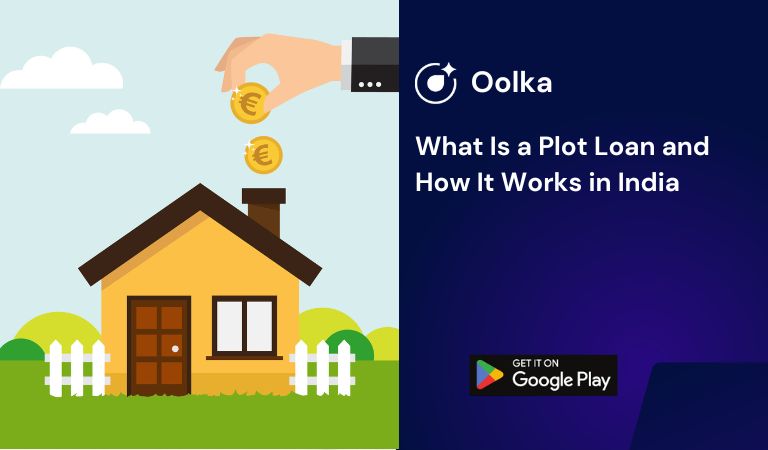
It’s a big deal to buy land, whether you plan to build a house on it eventually, keep it as an investment, or develop it later. When you buy land, things are a little different from when you get a conventional home loan. That’s where plot loans come in. They’re designed specifically for people who want to buy a residential plot and need financial support to make that dream possible. If you know how plot loans work, you may save time, confusion, and stress while dealing with lenders.
What Is a Plot Loan
A plot loan is a type of loan that helps you buy a piece of land meant for building a house in the future. It doesn’t apply to agricultural land or commercial plots—lenders only approve loans for residential plots located within approved areas.
The way it works is simple: the bank or NBFC lends you money to purchase the land, and you repay the amount in monthly instalments just like you would with any other loan. The loan amount, interest rate, and tenure depend on your income, credit history, and the location and approval status of the plot. Because the loan is linked to land and not a constructed property, lenders usually carry out a more detailed check on the documents and the layout approval before sanctioning it.
Eligibility Criteria for a Plot Loan
Every lender has its own rules, but most of them look for a few basic things before approving a plot loan. The idea is to ensure the borrower has a steady income, and the plot follows all legal and government norms.
Lenders usually look at the following:
- Stability of Income
Banks want to see that you have a steady income that is documented, whether you work for someone else, for yourself, or own a business. They want to make sure you can handle the EMIs without any problems.
- Age Requirements
Most lenders have an age range (usually between 21 and 65 years). Younger applicants get longer tenures, while older applicants may get shorter ones.
- Credit Behaviour
A clean credit record helps. Lenders check whether you have repaid previous loans on time. A strong score often gets you better interest rates, too.
- Location of the Approved Plot
The land must be in a residential area that is approved. Properties in restricted, disputed, or non-urban areas usually aren’t eligible for financing.
- Financial Documents
Basic KYC papers, bank statements, and income proofs are required. Self-employed individuals may need to show their business records or tax filings.
Documents Needed for a Plot Loan
When you apply for a plot loan, the lender mainly wants to understand two things: who you are and whether the plot you’re buying is legally clear. The paperwork is mostly simple, and in many cases, you may already have most of it at home.
Most of the time, you’ll need to show basic KYC documents like PAN and Aadhaar. Also, banks usually want to see current bank statements and evidence of income. If you work by yourself, they might ask for your IT returns or other simple business records to see how much money you make.
The second set of documents is related to the plot itself. This may include the sale agreement, property tax receipts, title documents, and approvals from local authorities. Lenders go through these carefully to ensure the land is clear of legal issues and fully eligible for financing. If the plot is inside a development project, they may also ask for the project brochure or permission letters issued to the developer.
In most cases, once your personal and property papers are in place, the process moves ahead without too much back-and-forth. Good documentation simply helps the lender gain confidence that both you and the land are clear to proceed.
Interest Rates and Loan Tenure for Plot Loans
Interest rates for plot loans vary from borrower to borrower because lenders consider several factors before fixing the rate. Your income, repayment history, and the nature of the plot all play a part. Loans for plots in approved layouts or well-developed areas usually have lower interest rates. Loans for less-developed areas, on the other hand, may cost a little more because they are riskier.
The tenure for plot loans is usually shorter than home loans. Many lenders offer tenures between 5 and 15 years, giving borrowers enough room to choose an EMI that fits their comfort level. Some people choose a longer loan term because it keeps their monthly payments low, while others like a shorter loan term because it lets them pay off the debt faster.
Because buying a plot is generally part of a long-term plan, like building a home later, it’s important to choose an EMI structure that doesn’t put too much burden on your existing resources but also helps you to reach your goals.
Which Bank Is Best for a Plot Loan
There isn’t a single “best” bank for a plot loan. The loan and the bank depend on factors like your income, the plot value, how fast you need funds, and your comfort with the lender. Keeping that in mind, a few banks are often preferred since they offer good interest rates, have a vast network, and also give good paperwork support.
When you compare options, look at the:
- Interest rates and processing fees.
- Maximum loan-to-value (LTV): Most banks will only lend you 60–75% of the plot’s market worth.
- Tenure: Some banks will offer longer repayment periods, which makes it easy to manage the EMIs.
- Transparency on legal and documentation support
Use this checklist with a reputed bank to give you a balanced, relatively low-risk loan option for buying land.
Is a Plot Loan Tax Exempted
Strictly speaking: not automatically. A standalone plot loan—just for purchasing land—does not confer tax benefits under Indian law. You won’t get deductions on interest or principal simply for buying a plot.
However, there’s a caveat: if you use that plot to construct a house, and convert the plot loan (or take a fresh home loan for construction), then tax benefits kick in under applicable sections (eg. principal repayment and interest on the subsequent home loan).
So:
Buying a plot = no tax break
Buying a plot and then building a home = possible tax benefits (after construction completes, and relevant certificates are submitted)
Plot Loan vs Home Loan
A plot loan and a home loan may sound similar since both deal with property. However, they serve different purposes. A plot loan is meant only for buying a piece of land. You get funds to purchase the plot, but you won’t receive any tax benefits unless you later build a house on it. The loan amount is usually a little lower, too, because banks keep the Loan-to-Value ratio conservative when it comes to land.
A home loan, on the other hand, is for constructing or purchasing a ready home. The repayment period is longer, EMIs are more manageable, and you can claim tax deductions on both principal and interest. The verification is also a lot more structured.
Simply put:
Plot Loan = Only land purchase, no immediate tax benefits.
Home Loan = Ready/under-construction home + tax benefits + longer tenure.
Both have their uses—your choice depends on whether you’re ready to build now or want to invest in land for the future.
Conclusion
It’s a huge deal to buy a plot, and knowing how plot loans work might help you avoid a lot of stress later on. These loans are designed for people who want to invest in land, build a home later, or secure a piece of property for long-term plans. Once you know the eligibility requirements, what documentation you need, and how banks set interest rates and loan terms, the process is rather simple.
It all depends on what you want to do with the money when you get it. A home loan makes more sense if you want to build right away. But if your dream home is still a few years away, a plot loan gives you the freedom to buy the land now and build when the time is right.
If you take the time to research lenders, look at interest rates, and read the fine print, the whole process will go more smoothly, and you will feel more sure of yourself. And with the right planning, your plot purchase can easily turn into the foundation of a future home.
FAQs
Can I claim tax benefits on a plot loan?
Not for the land purchase alone. Tax benefits apply only if you build a house on the plot later and meet the required conditions.
Do banks lend money for plots in all areas?
Not all the time. Most lenders stay away from agricultural land or land that hasn’t been changed. They like plots that are part of approved residential schemes.
What is the normal loan-to-value (LTV) ratio for a plot loan?
Most banks will lend you 60% to 75% of the value of the plot. It also depends on the particular lender.
Can I get a longer tenure like a home loan?
Most of the time, plot loan terms are shorter, usually between 5 and 15 years. They don’t often match home loan terms.
Can I convert a plot loan into a home loan later?
Many lenders allow you to take a construction loan or combine it with a home loan when you start building on the plot.