
What is a Credit Score?
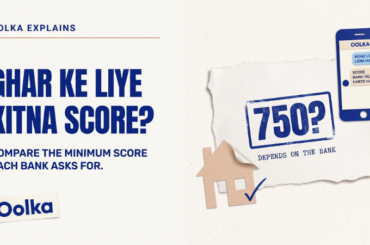
Lenders and banks look at your credit score to see how likely you are to pay back the money you borrow. Your credit score is based on your credit history, which includes things like paying off debts, using credit cards, not paying bills, and being smart with your money. Credit scores in India can be anywhere from 300 to 900. A score of 750 or more is extremely good. CIBIL, Experian, Equifax, and CRIF High Mark are credit bureaus that get this score from banks and other financial organisations. Lenders can tell how likely you are to pay them back by looking at your credit score. It’s like a resume for when you need money. A high credit score shows that you use credit wisely, which makes it more likely that you can acquire a loan. But a low score could suggest that you don’t know how to manage your money well. If this happens, lenders may not approve your application or charge you more interest. Checking your credit score often is a terrific method to get ready to borrow money and save money at the same time.
Importance of a Credit Score for Loan Approval
One of the most essential things lenders look at when they look at loan applications is the credit score. Having a good credit score makes it far more probable that you will be able to receive a credit card, a personal loan, or a home loan. It reveals how much credit you use, how much debt you already have, how well you manage your money, and how you pay your bills. It helps lenders assess how hazardous it is to lend someone money. They think that having a higher score makes it less risky. If your credit score is good, you can receive loans faster, with lower interest rates, larger amounts, and longer repayment periods. But if your credit score is low, you might not be able to receive a loan, your penalties might be reduced, or your interest rates might be higher to make up for the extra risk. When you ask for a loan, the first thing they do is check your credit score. They also check your income, job security, and other documents. If you have a strong credit score, it will be easier for you to get loans, and others will trust you more with money.
How is Your Credit Score Calculated?
There are a number of financial statistics that show how you utilise credit and how your credit score is made up. The main points are the same; however, each credit bureau may assign these parts differing levels of importance. Checking your report often will help you find faults and show how much progress you’ve made.
The most crucial things are:
- Payment History (35%): Your score will go up if you pay your credit card payments and EMIs on time. If you miss a payment or are late on one, it’s not good.
- Credit Utilisation Ratio (30%): If you utilise a lot of your credit limit, it could mean that you depend too much on credit, which could affect your score.
- Length of Credit History (15%): You should have a long history of using credit in a responsible way.
- Credit Mix (10%): If you have both secured credit (like a home or auto loan) and unsecured credit (like a personal loan or credit card), you are financially mature.
- New Credit Enquiries (10%): People might think you’re taking a lot of chances if you apply for a lot of credit cards in a short period of time and get turned down.
What Does a 300 Credit Score Mean for Getting a Loan?
The worst score on the scale is 300, which is poor. There are many red signals in a borrower’s financial history, such as missed payments, a lot of credit use, not paying off loans, settlements, or bankruptcy. If your score is this low, most banks won’t give you a loan. If a lender is ready to provide you a loan, the terms will probably be tough: high interest rates, rigorous repayment schedules, and a reduced amount that is given. If you have this kind of score, people might also wonder how you handle your money, how stable you are, and how ready you are to make your payments. You should review your report for inaccuracies or fraud because this score could be the result of those things. If your credit score is 300, you are in the high-risk bracket, but that doesn’t mean you’re done. You may go back into the regular credit market and boost your score if you do the correct things.
Challenges of Getting a Loan Approved with a 300 Credit Score in India
If your credit score is 300 or lower, it can be hard to get a loan. First, most regular banks and NBFCs won’t even look at a loan application unless the person applying has a credit score of at least 650–700. If you have a low score, lenders think you’re a high-risk borrower, which means you’re more likely to fail. But if the lender does grant you the money, they can charge you a lot of interest, which could make it hard for you to pay it back. You might also have to give up something important, have someone else sign for you, or prove that you make more money. It might also take lenders longer to check over your files, which could make things even slower. Another issue is that being turned down over and over again could make you angry and fatigued. In the end, you don’t have many options, and you might only be able to work with a few lenders. Some of these lenders could not be honest, and they might charge you fees that you don’t know about. You need to be honest, plan, and talk to a financial expert often to get through these terrible times.
Is it Possible to qualify for a Loan with a 300 Credit Score?
Well, you can still get a loan even if your credit score is 300. You just need to think ahead and be astute. Even if banks won’t, certain FinTech lenders and NBFCs will give money to those with negative credit or a really poor credit score. However, they might do more than simply check your credit score. They might also check other indicators, such as your rental history, your electricity and utility bill payments, and other sources that indicate you are a good credit risk, such as your existing job security and salary. If you apply for a secured loan, which means you have to put up something valuable, like gold, a car, or property, as collateral, you might also have a better chance. It is also possible that you look for a co-signer with good credit or a guarantor who will pay back the loan. But that would mean that you have to pay more interest and adhere to stricter conditions when you pay back the loan. If you have permission, paying your bills on time can help your credit. You can improve your finances over time if you use it wisely and advance up the credit ladder.
Types of Loans You Can Apply for in India with a 300 Credit Score
As discussed earlier, you can still get credit even if your score is as low as 300. You might not be able to get a standard unsecured loan, but there are still several other lending choices you can look into. These loans usually have stricter terms or greater fees, but they can help you overhaul your creditworthiness.
Secured Loans
When you take out a secured loan, you have to put up anything of value, like gold, fixed deposits, cars, or real estate, as collateral. The lender is more likely to grant your loan, even if you have a bad credit score, because they have a backup plan in case you don’t pay it back. When compared to unsecured loans, these loans usually have lower interest rates and may be easier to get approved for with flexible conditions. But if you don’t pay back, you could lose the asset you promised to give. Secured loans not only give you the money you need, but they can also help you raise your credit score if you pay them back on time.
Payday Loans
Payday loans are short-term loans with high interest rates that are meant to help you pay for things that come up quickly until your next pay cheque. People with bad credit records can usually get these loans because they don’t require strict credit score checks. These loans are easy to get and quick to get, but they have very high interest rates and fees for late payments. If you’re not careful, they can easily get you into debt. You should only utilise payday loans as a last resort and only if you are sure you can pay them back on time. They aren’t the best way to rebuild credit over time, but they can help in an emergency.
Co-Signed Loans
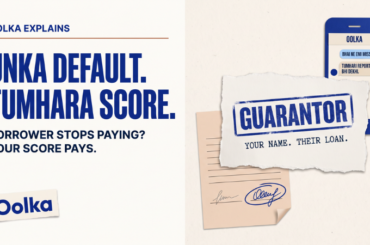
As the name suggests, a co-signed loan is one where you and someone else, typically a family member or close friend, sign the loan agreement together. This individual should have a strong credit score and needs to be in good financial health. The lender in this case checks and evaluates both of your profiles and provides you with the loan based on how dependable the co-signer is. This alternative upturns your chances of getting approval, and it may also get you improved terms, such as lower interest rates or higher loan limits. But if you don’t make a payment, it will affect both your and your co-signer’s credit. So, both parties need to be completely responsible and trust one another when they make this transaction.
Subprime Loans
People with weak credit or poor financial health can still obtain subprime loans. Some NBFCs and FinTech lenders offer these loans, which have high interest rates, stricter repayment terms, and smaller amounts. They want to help people who don’t use the regular banking system get the credit they require. Even though they cost more, subprime loans can help individuals re-establish their credit. It’s essential to select a lender that is regulated and authentic so you don’t get taken advantage of. If you use them intelligently, subprime loans could help you, over time, get back on your feet financially.
How to Improve Your Credit Score for Better Loan Opportunities
If your credit score is 300, the first thing you need to do to receive better loan options is to correct and improve your credit. Your bad score doesn’t have to stay that way forever; it’s only a sign of how you’ve handled your money in the past. You can make it better with hard work. Get your credit report from all three major bureaus and check for errors or obsolete information. Right away, contest any errors.
Next, make sure you pay all of your current EMIs and credit card obligations on time. Even little, consistent payments might help you create an excellent history of paying back. Another important thing you may do is maintain your credit usage below 30% of your total credit limit. If you don’t have any active credit, you could choose to seek a small secured credit card or a credit-builder loan. These help send information about your payments to credit bureaus, which can enhance your score over time. Don’t apply for loans too regularly, because too many hard enquiries could make your score much lower. You have to be patient and stick to your plans. Your score can move out of the risk zone and into the range for better financial products if you keep doing well for 6 to 12 months.
More Loan Options in India for a 300 Credit Score
If your credit score is 300, traditional banks might not want to work with you, but that doesn’t mean you don’t have other options. When banks won’t help, alternative lending platforms and community-based financial systems give you more credit options. A lot of the time, these sources look at more than just your CIBIL score. They might also look at your earning potential, repayment history, or social trust to be more open to people who are trying to start over.
Financing from one person to another
Peer-to-peer (P2P) lending sites let people borrow money from each other directly. These sites look at more than just your credit score to figure out how risky you are. Peer-to-peer loans may have higher interest rates than regular loans, but they sometimes pay out faster and allow for more flexible repayment terms. If you show that you have a good plan for paying back the loan or that you are getting better at managing your money, lenders on these sites might not care about a 300 score.
Credit unions and community banks
Credit unions are different from commercial banks because they are owned by their members and often lend money to people with bad credit. They usually have lower interest rates and may be more willing to lend to people. Before making a decision, small community banks might also look at your whole profile, including how well you are known in the community and how stable your job is. These are great for learning about money, getting personalised help, and helping you fix your credit in the future.
Apps for Personal Loans
Fintech apps have transformed the way in which individuals in India borrow money by making it quick, easy, and stress-free to get small personal loans with little or no paperwork. In addition to CIBIL scores, some apps also look at other information, like how people use their phones, pay off loans on other platforms, and make online purchases. Even though these loans have shorter terms and higher interest rates, they are still a good option when you need money and can’t get it from a regular lender. Use them wisely so you don’t get into debt.
What Lenders Look for When They Give You a Loan with a 300 Credit Score
Steady work and income
When your credit score is low, lenders pay more attention to how much money you make and how solid your work is. If you have a stable, verifiable income, they will feel better about your ability to pay back the loan. If you’ve worked for a well-known company for a long period, your application is stronger.
Secured loans need collateral
Giving the lender something of value, such as gold, real estate, or fixed deposits, makes it less likely that they will lose money. If your collateral is worth more and is easier to sell, you have a better chance of securing a loan, even if your credit score is just 300.
Co-Signer or Guarantor
If someone with good credit agrees to be a co-signer or guarantor on your loan, some lenders may allow it. The lender’s risk is lower because the borrowers have strong credit.
Interest Rates and Terms of Loans
To make up for the danger of lending to persons with bad credit, lenders often set the terms of the loan, such as offering shorter durations or higher interest rates. You might have to follow stricter regulations about how to pay them back if your terms are more flexible.
Risks of Taking a Loan with a 300 Credit Score
More Interest Rates
When you have bad credit, lenders usually charge high interest rates on loans to protect themselves. This makes borrowing money much more expensive, which makes it harder to keep track of your EMIs.
Not being able to get a loan and hurting your credit score
If you apply for a loan and are turned down, it counts as a hard inquiry, which might lower your credit score even further. If you continually get rejected, lenders might believe you’re crazy or desperate in the future.
Going into debt
If you have a loan with terrible terms and high EMIs, you can miss payments, which would affect your credit even more. It could be easy to get locked in a cycle of borrowing money to pay off debts.
What to Do if Your Loan Application Gets Denied
What to Do?
Don’t freak out right away. Ask the lender why they turned you down. It could be because your credit score is low, your debt-to-income ratio is high, or your paperwork is missing. Finding out what caused the problem will help you remedy it before you apply somewhere else. Don’t apply for more than one loan right after being turned down, as this will hurt your credit score even more through hard inquiries.
Correct Your Credit Score in Steps
Pay all of your current EMIs and credit card bills on time. You can lower your credit utilisation ratio by either spending less or raising your credit limits. Don’t ask for new credit for a while. To slowly raise your score, think about using things like secured credit cards or credit builder loans. Check your credit report often to see how you’re doing.
Get Help from a Professional
If you’re not sure where to start, you might want to go to a credit counsellor or financial advisor. They can look at your finances, suggest activities you can take to improve your credit, and even talk to your current lenders about how to pay them back. Getting professional help can speed up your path to being able to get a loan again.
FAQs on Loans with a 300 Credit Score
Can I get a mortgage with a credit score of 300?
Honestly, it is quite difficult to get a usual bank loan with a credit score of 300. However, some agencies or platforms may allow individuals with negative credit to borrow money if they satisfy certain conditions, such as paying a larger down payment or providing stricter proof of income.
How much would loans with a credit score of 300 cost in interest?
The interest rates on loans will be considerably higher, often twice or more than what people with good credit get. This makes up for the risk that lenders think they are taking. The rate depends on the loan type, the lender, and your income or collateral.
If your credit score is 300, do you need someone to co-sign for you to get a loan?
You don’t have to have a co-signer with a solid credit history, but it makes it far more likely that you’ll acquire a loan and get better terms. Lenders regard it as a shared risk, which makes up for your bad score.
Can I quickly boost my credit score so I can receive a loan?
There isn’t a quick fix, but if you pay your bills on time, use less credit, and don’t apply for new credit, you can notice substantial changes in three to six months. Start early and keep track of how far you’ve come.