
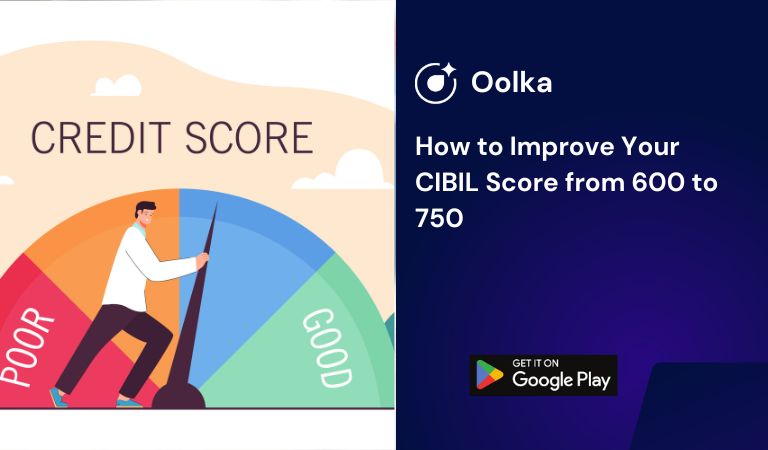
A CIBIL score of 600 might get you in the door, but it won’t open many doors of opportunity, especially when it comes to loans or credit cards with good terms. If you want a score of 750 or higher, you’re in the “good” to “excellent” range that lenders love to see. The good news is? With persistent financial discipline and strategic preparation, it is completely doable. Let’s talk about what a good score is, why it counts, and what affects your CIBIL score.
What does a good CIBIL score mean?
A CIBIL score might be anything from 300 to 900. Here’s a short look:
- 300–549: Bad—high risk for lenders
- 550–649: Fair—Not many credit choices
- 650–749: Good—can get regular loans
- 750–900: Great—best terms and lowest rates
A score of 750 or higher means you have good credit. It means you are responsible with credit, pay your bills on time, and use your credit properly.
Why it’s important to have a good CIBIL score
A CIBIL score of 750 or better means more than just a number. Banks, NBFCs, landlords, and even employers look at it as a good way to tell how trustworthy you are. Here are various reasons to keep your score up:
- When you seek a loan, lenders look at your score to see how likely you are to pay it back. A high score develops trust right away, which speeds up the approval process and makes it easier by cutting down on questions and paperwork.
- Lenders consider that people with good credit are less likely to miss payments on their loans. This means that you are more likely to get loans with cheaper interest rates. This might save you thousands or even lakhs over the life of a home or personal loan.
- If you have a good credit score, it suggests you use credit sensibly; thus, banks and credit card companies will give you more credit. This gives you more freedom to handle challenges and cash flow.
- The higher your score, the more you can negotiate. For instance, you can get rid of processing fees or obtain a better bargain on your credit card perks or loan EMI alternatives.
- Your score can be seen by more than just banks. It could also be looked at by phone companies, rental agencies, and EMI providers. If you have an excellent CIBIL score, it’s easier to get things done swiftly.
A high CIBIL score means you can borrow money on your own terms, which gives you control over your money.
Things that can affect your CIBIL score
Knowing what impacts your CIBIL score could help you make smart decisions that will slowly boost it. The score is made up of a number of items, including
- Payment History (35%): This is the most important part. Not paying your EMI on time, missing credit card payments, and defaulting on a loan are all significant red flags. If you always pay back your loans on time, it shows that you are a responsible borrower and will considerably enhance your score over time.
- Credit Utilisation Ratio (30%): This shows you how much of your credit limit you actually use. You should strive to keep your credit use below 30% of the total limit. If you use credit too often, it could decrease your score, which means you’re relying on it too much.
- Length of Credit History (15%): Your score will go up if you have older accounts that are in good standing. Lenders see financial stability and maturity in someone who has had a credit card for a long time and used it properly.
- Credit Mix (10%): If you have both secured loans (like a car or home loan) and unsecured loans (such as a personal loan or credit card), it shows that you can handle more than one type of credit responsibility successfully, which makes your profile look better.
- New Credit Enquiries (10%): When you ask for a loan or credit card, the lender looks at your credit file in a “hard inquiry.” If you get too many of these in a short amount of time, it could imply you’re credit hungry, which will damage your score.
You may slowly boost your CIBIL score and acquire more credit over time if you pay attention to these five factors.
Best Ways to Increase Your CIBIL Score from 600 to 750
It takes time to raise your CIBIL score. You need to be consistent, alert, and clever with your money. If your score is now at 600, the following steps can help you slowly but surely go to 750 and above.
Check your CIBIL report often
Check your credit report at least once every three months to get started. Keeping an eye on your score lets you know what it is right now and what needs to be fixed. It also makes sure that any changes in how you use credit, like paying off a card or ending a loan, are shown correctly. Take advantage of the fact that many credit bureaus give you one free report a year.
Challenge Any Mistakes in Your CIBIL Report
There are mistakes that arise, including a late payment that was reported wrong, an account you never opened, or a loan that has previously been paid off but is still represented as current. These kinds of mistakes can lower your score. To get mistakes fixed fast, file a dispute right away on the CIBIL website or with the financial institution in question.
Pay on time
The most important part of your credit score is your payment history. A single missed or late EMI or credit card payment might cause a big drop. Set up reminders, auto-debit mandates, or budgeting tools to make sure you never miss a payment. Paying on time for 6 to 12 months will really help your score.
Lower the amount of credit you use
If you use too much of your available credit, lenders will be worried. Try to keep your total credit card usage to less than 30% of your limit. If your card limit is ₹1,00,000, for instance, don’t use more than ₹30,000 at once. Asking for a limit increase or paying in the middle of the cycle are good ways to keep your usage low.
Pay Off All Your Debts
If you have unpaid bills or EMIs, your credit score will stay low, and your debt will be high. Pay off debts with high interest rates or those that are past due first. A clean slate not only makes your payment history better, but it also makes more room in your credit portfolio, which is good news for lenders.
Do not apply for new credit
When you apply for a loan or credit card, a hard inquiry is performed. If you do this too many times in a short amount of time, it can hurt your score. Lenders can see it as a hint that you need credit. Instead of applying for new credit right away, wait till your score goes up, or choose a soft-inquiry pre-check when you can.
If you stick to these procedures for six to twelve months with discipline and patience, you can raise your score a lot, putting you in the “excellent” credit category and giving you more financial possibilities.
Managing Your Credit Wisely
The next stage after you start to improve your CIBIL score is to keep and manage your credit with discipline over the long term. To keep a score of 750 or higher and get access to better financial products in the future, you need to have good credit habits.
Keep a Good Mix of Credit
Lenders want customers who can handle both secured and unsecured credit. Secured credit includes things like home and auto loans, while unsecured credit includes things like credit cards and personal loans. A balanced mix shows that you are financially mature and improves your credit profile. A lot of unsecured loans could be a warning of trouble, but a mix shows that you’re reliable and have a strategy.
Be responsible with your credit
Don’t use your credit cards to pay for everything or max them out. Don’t use your credit too much, pay more than the minimum amount required, and don’t let your debt get out of control. Using credit responsibly will help your credit history and establish confidence with lenders over time.
Don’t close old accounts too quickly
Having older accounts adds to your credit history, which is good for your score. Keeping a card open can assist, even if you don’t use it very often. If you close it, your credit limit may go down and your credit history may get shorter, both of which could hurt your score.
Knowing how to use credit and how it affects you
One of the most essential things that influences your CIBIL score is how you use credit, but it’s also one of the most common things that people forget about. If you want to get from 600 to 750, taking care of it well can definitely enhance your score.
How does credit utilisation work?
Credit utilisation is the amount of your total credit limit that you are currently using. Your credit utilisation percentage is 40% if your total credit card limit is ₹1,00,000 and you still owe ₹40,000. Lenders think that a high usage rate means you’re having money problems, which can hurt your credit score. For your health and credit score, it’s recommended to keep this ratio below 30%.
How limiting the amount of credit you use can enhance your score
Lenders can tell that you don’t rely on borrowed money too much when you use less credit. This shows that you are good with money and decreases your risk profile. You can minimise your utilisation by paying your bills early, raising your credit limit without spending more, or using more than one card to pay for things. Your CIBIL score normally goes up as you utilise more and more of your credit over time.
Frequently Asked Questions (FAQs) about how to increase your CIBIL score from 600 to 750
How long does it take to increase your CIBIL Score from 600 to 750?
It could take you 6 to 12 months to raise your score from 600 to 750 if you don’t take good care of your money. During this time, you can make real progress by making regular payments, using less credit, and not taking on more debt.
Will my CIBIL score go up if I pay off my obligations right away?
Paying off debt is a big step in the right direction, but your score won’t go up right away. Changes normally take CIBIL 30 to 45 days to make. How much debt you’ve paid off compared to your credit limits and how successfully you’ve paid your payments in the past also matter.
Will closing a credit card help my CIBIL score?
Not all the time. If you close an old credit card, your credit limit and credit history may go down, which could damage your score. It’s usually best to keep the card open and use it every now and then if it has high fees or bad terms.
How does using credit affect my CIBIL score?
Your credit usage makes up about 30% of your overall score. A high ratio suggests higher danger, while a low one (preferably around 30%) will boost your credit score. If you utilise it less, your score could go down a lot.